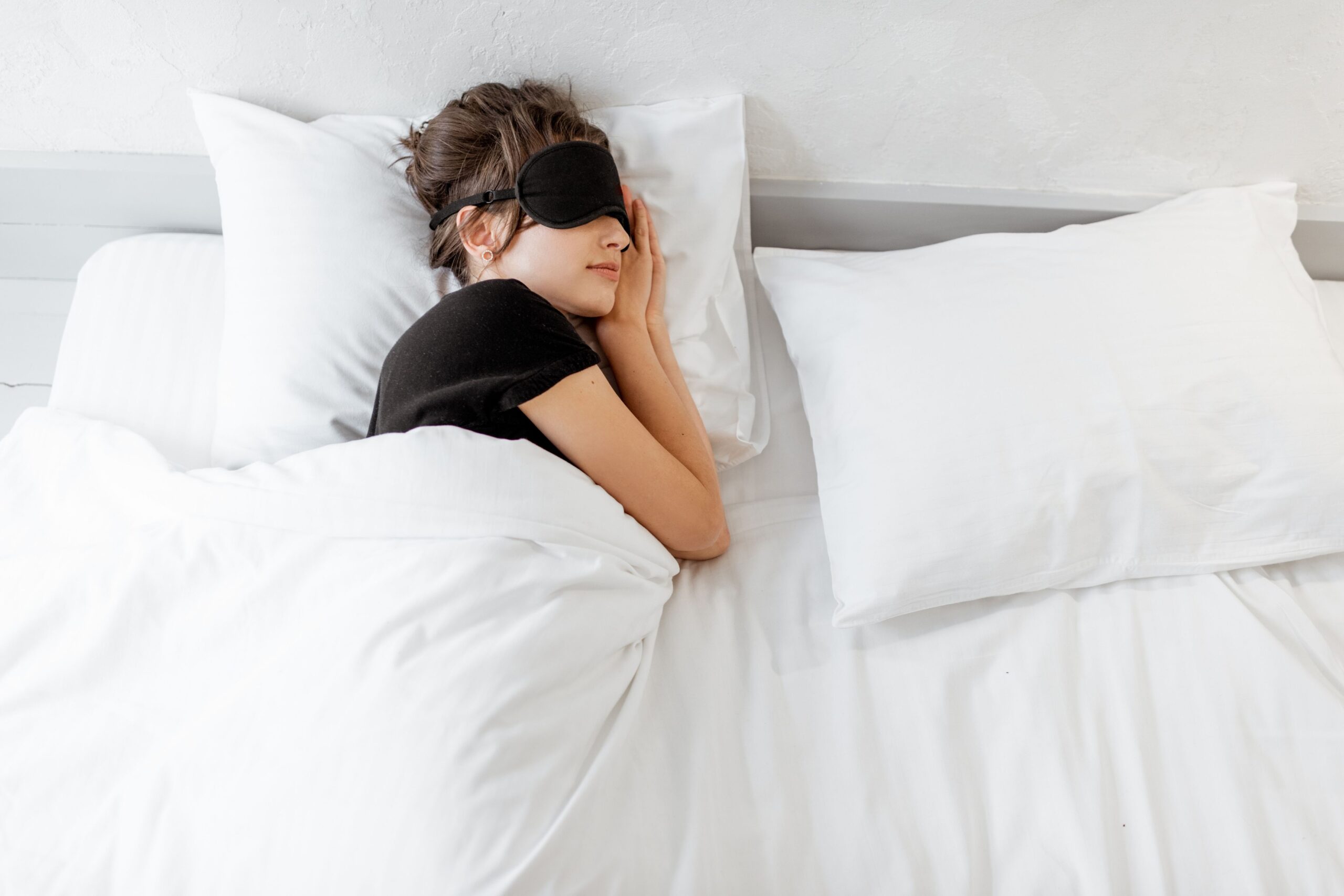
It is important to have a good night’s sleep. Sleep is when our brain restores and cleanses itself from the day’s stress. A general rule for improving your sleep quality is to get at least 8 hours of sleep each night.
How Melatonin Affects Your Sleep Quality
Melatonin is a hormone that helps regulate the circadian rhythm. It is produced by the pineal gland and also found in foods like walnuts, dates, and oranges.
This article will explore what melatonin is and how it affects your sleep quality.
Create a bedtime routine to improve sleep
Sleep is a vital part of our day and when we are not getting enough of it, it can be detrimental to our health. Here are some tips on how to create a bedtime routine that will help you sleep better.
Before going to bed, make sure you were a relaxing activity, like reading or meditation. You should also set an alarm at least six hours before you need to wake up in the morning. Avoid caffeinated drinks before bed as they will disrupt your sleep patterns and stay away from bright screens for at least half an hour before going to bed.
Avoid bright lights before bed
Bright lights before bed can negatively affect your sleep.
There are two different types of light: blue light and white light. Blue light is the kind of light emitted from electronics such as a computer or TV screen. White light is the kind that comes from an overhead lamp or table lamp with a bulb in it.
The issue with blue-light emitting devices is that they give off sleep-inhibiting levels of the hormone melatonin, which can reduce amount and duration of sleep, increase alertness during waking hours, and impair daytime functioning.
Exercise regularly but not too close to bedtime
Regular exercise has many benefits, such as making us feel happier and more energized. However, it is usually best to do it in the morning or afternoon. Exercising before bed can make it difficult to fall asleep at the end of the day.
Exercise before bed can make it difficult to fall asleep because exercise boosts our brain’s production of adrenaline and cortisol, which are hormones that keep us alert during the day. Exercise also delays our bodies’ release of melatonin, which is a hormone that tells our brain when it’s time for sleep. If we don’t get enough sleep, we can feel cranky the next day and experience problems with cognition like forgetfulness and trouble paying attention.
Relax before bed and put your worries aside for the day
There are various benefits to relaxing before bed. For example, it can help you fall asleep faster and improve your mood. However, it can also make the process of going to sleep more difficult if you are stressed about something that happened during the day.
Some people find it hard to let go of their worries when they need to go to sleep. This is where relaxation techniques come in handy because they help you focus on what’s happening in your body instead of what is happening in your mind. Some techniques like progressive muscle relaxation and deep breathing exercises are helpful for this purpose.
Make sure your sleeping environment is optimum for good sleep quality
Quality sleep is very important for health. We need at least 7 hours of sleep each night to stay healthy and productive. Sleep time also changes with age, but the most important part is to make sure that our sleeping environment is comfortable and safe.
We should make sure that our room temperature stays within the range of between 66 and 75 degrees Fahrenheit. The bedroom should also be quiet, dark, and free of any potential distractions that can wake us up in the night. Some people may want to consider using a white noise machine or earplugs if noise bothers them while they are sleeping. We should also try not to eat before we go to bed, as this can cause indigestion or heartburn which can cause us discomfort in the middle of the night.
Adopt a comfortable sleeping position
When we sleep, the position we adopt is critical for our comfort. There are five main positions:
- Back sleepers rest on their backs with their head at either end of the pillow.
- Side sleepers lie on one side with a pillow under their head and between their arms.
- Stomach sleepers lie on their stomachs, usually with a pillow under their stomach for support.
- Fetal or pregnancy sleeper position: Sleepers can use a pillow to get into this position, but it’s not recommended for everyone. It is often used by pregnant women or those who need extra support while sleeping because they have back problems or other health problems.
- Supine sleeper position: Sleepers lie flat on their back and rest both arms over the head to